

How Long Do Pole Barns Last in Pennsylvania?
Lifespan, Maintenance, and What Actually Matters
Quick Answer:
But that number on its own doesn’t tell the full story.
How long do pole barns last in Pennsylvania is one of the most common questions — and the answer depends on a few early decisions.
Two buildings built in the same year, in the same region, can age very differently over time. The difference usually comes down to a few early decisions — the kind that don’t seem critical at first but quietly shape how the building performs for decades.
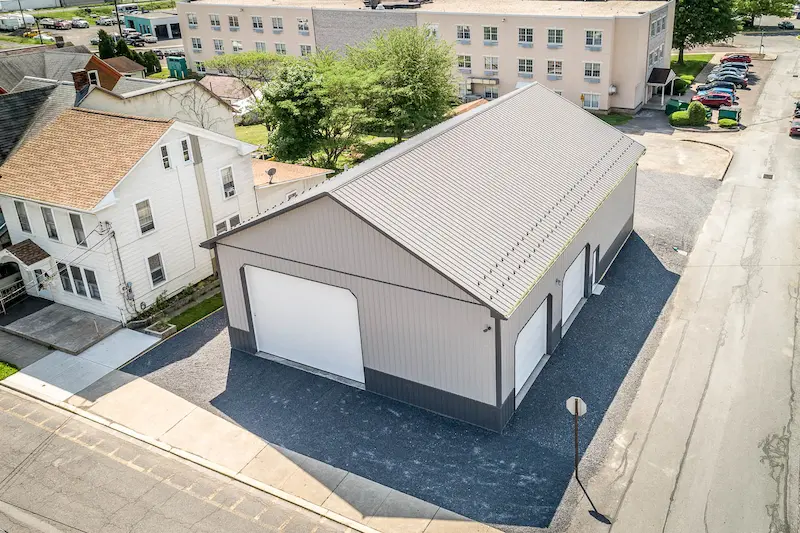
Lifespan depends on early decisions and environment
Like this building? Start with this design and make it your own.
Customize the layout, size, and features to fit your needs, then we can help you review the right options for a building that performs well over time.
👉 Customize This Building
Why Pole Barn Lifespan in Pennsylvania Is Different
Pennsylvania puts steady pressure on buildings.
Between moisture, snow loads, and freeze-thaw cycles, structures aren’t just sitting still — they’re constantly interacting with the environment around them.
And over time, one thing connects all of it:
Water.
In Pennsylvania, everything eventually ties back to how well a building manages moisture. The roof, the walls, the foundation, and even interior systems all play a role in how water is handled over time.
If water is controlled, buildings tend to perform well for decades.
If it isn’t, small issues begin to build.
The Most Common Mistake: Underestimating Drainage
If there’s one issue that shortens lifespan faster than anything else, it’s this:
Drainage.
When water doesn’t move away from the building, it stays around it. And when that happens, the effects show up gradually:
- Moisture exposure at the base
- Soil movement during freeze-thaw cycles
- Subtle shifts that affect alignment over time
This isn’t a sudden failure. It’s a slow process.
And the part most people don’t realize until later:
Fixing drainage after the building is complete is almost always more expensive than doing it right from the start.
If water is sitting around the building, upgrading materials later won’t solve the root problem.
Roof Systems: Different Approaches, Different Long-Term Behavior
At a glance, most roofing options look similar. Over time, they behave differently.
In most cases, you’ll be choosing between:
- Exposed fastener metal panels
- Standing seam metal roofing
- Shingles for a more residential appearance
Each option works — the difference is how it handles time and exposure.
If your goal is to minimize long-term attention, standing seam systems tend to manage expansion, contraction, and weather exposure more smoothly.
If you’re balancing cost and reliability, exposed fastener panel systems are widely used across Pennsylvania and perform well when installed properly.
If the building needs to visually match a home, shingles often provide the right look.
There isn’t a wrong choice here.
But there is a wrong match between the system and how the building will be used.
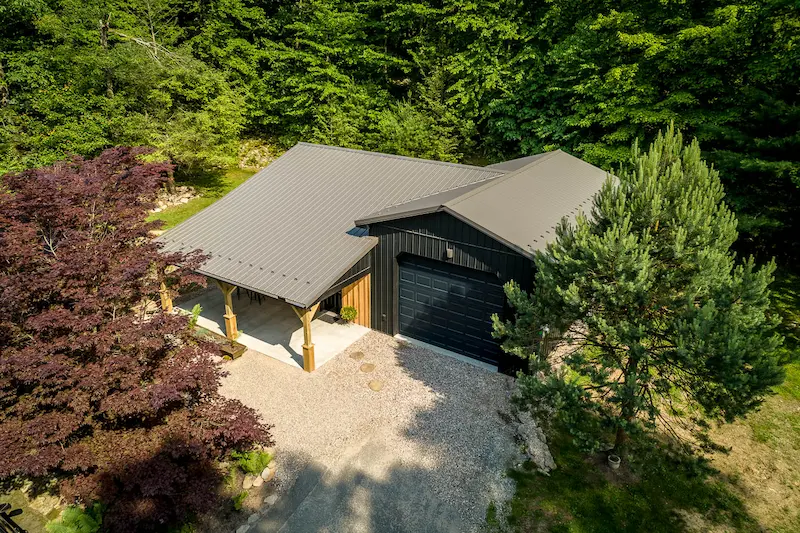
Roof systems handle weather differently over time
Looking for a residential-style finish for your building?
Explore real residential pole buildings designed for everyday use, appearance, and long-term performance on Pennsylvania properties.
👉 View Residential Buildings
Wall Systems: More Than Just Appearance
Wall systems are often chosen for how they look. But in Pennsylvania conditions, performance matters just as much over time.
Common options include:
- Metal panels (26 or 28 gauge)
- Vinyl siding
- Board and batten styles
- Stone systems such as Versetta
Each one has a place depending on the setting.
Metal panels are durable and widely used, especially in agricultural and utility applications. Vinyl siding works well in more protected environments and gives a familiar residential finish. Board and batten combines a refined look with the durability of steel. Stone is often used in targeted areas, where it provides both visual appeal and added protection.
Where problems tend to come up is in mismatches.
For example, vinyl used on fully exposed sides may require more attention over time. Areas that see regular activity or impact often benefit from more durable materials rather than lighter finishes.
The material itself isn’t the issue.
It’s how well it fits the environment around it.
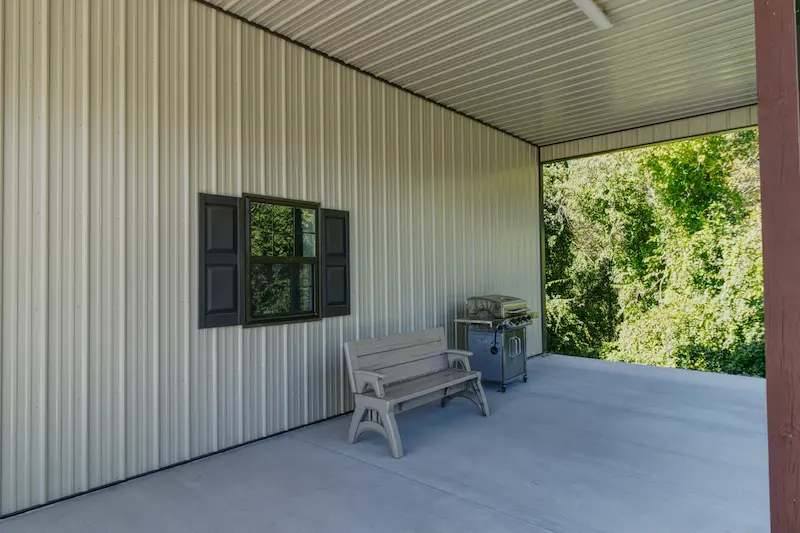
Wall systems affect durability beyond appearance
Foundation and Site Preparation: What Impacts Pole Barn Lifespan the Most
The foundation rarely gets attention in early decisions, but it has one of the biggest impacts over time.
Footing size, concrete depth, reinforcement, and base preparation all matter. But more importantly, it’s about how the building interacts with the ground.
In Pennsylvania:
- Soil conditions vary
- Freeze-thaw cycles are constant
- Water movement affects stability
If the base isn’t stable, the structure slowly follows it.
You may not notice anything immediately. But over time, small movement turns into adjustments — and adjustments turn into maintenance.
A properly prepared site allows everything else in the building to perform as intended.
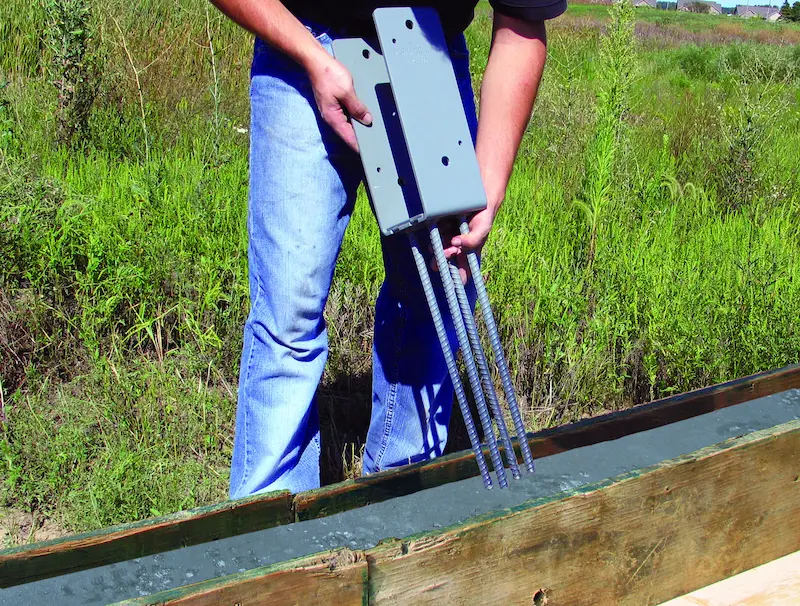
Foundation is one of the biggest factors affecting how long pole barns last in Pennsylvania.
Choosing the right post system for your building?
Compare post options and see how different choices affect durability and long-term performance.
👉 Explore Post Options
Framing: Matching the Structure to the Use
Framing decisions aren’t always visible, but they influence how the building holds up over time.
Post-frame construction is designed for open spans, structural efficiency, and flexibility. It’s commonly used for agricultural, storage, and large clear-space applications.
Stud framing, on the other hand, aligns more with traditional construction and is often used when interior finishing and detailed layouts are a priority.
Both systems work well. The key is choosing the one that fits how the building will actually be used.
A mismatch here doesn’t cause immediate failure —
it leads to inefficiencies and limitations over time.
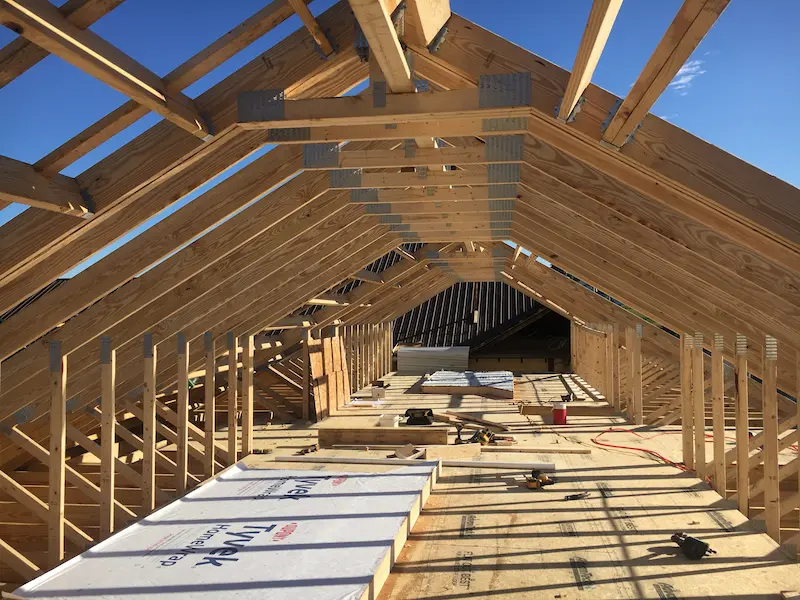
Structural system supports long term performance
Insulation and Wall Liner: Controlling the Interior Environment
Insulation is often seen as a comfort feature, but in reality, it plays a major role in moisture control.
Options may include:
- Fiberglass insulation (R21, R25)
- Spray foam systems
- Metal wall liners
- Combined insulation assemblies
If a building is enclosed and insulated without proper planning, condensation can develop. Moisture builds up, airflow changes, and issues can appear where they aren’t immediately visible.
A wall liner helps protect interior surfaces and manage that environment. Fiberglass works well when properly installed within a system. Spray foam adds sealing and reduces air movement.
The key is not just adding insulation —
it’s making sure the system works together.
Planning to insulate your pole building the right way?
Learn which areas matter most for comfort, moisture control, and long-term performance.
👉 Explore Insulation Zones
Which Add-Ons Actually Make a Difference?
Not every package or add-on is necessary, but some consistently improve long-term performance in Pennsylvania.
A vapor barrier helps control internal moisture, especially in enclosed or heated spaces. It’s one of those elements that’s much easier to include during construction than after.
Gutters help manage roof runoff and protect the base of the building from water buildup. In a climate like Pennsylvania, that becomes more important over time.
Snow guards help control how snow leaves the roof, and are especially important in high traffic areas. They don’t change the structure, but they do change how the building behaves in winter conditions.
These aren’t cosmetic upgrades.
They’re small decisions that influence how the building performs year after year.
Want to see what add-ons can improve long-term performance?
Explore optional features that can help with moisture control, durability, and everyday usability.
👉 View Optional Add-Ons
What Maintenance Actually Looks Like Over Time for Pole Barns
Pole barns are often described as low maintenance. That’s true — but it doesn’t mean no maintenance.
In most cases, long-term performance comes down to simple, occasional checks:
- Looking over roof panels and fasteners after heavy seasons
- Keeping gutters and drainage paths clear
- Watching how water moves around the building
- Making sure doors and openings continue to operate smoothly
None of this is complicated. But ignoring small things is what turns into larger issues later.
In Pennsylvania, maintenance isn’t about constant work.
It’s about paying attention to how the building interacts with moisture over time.
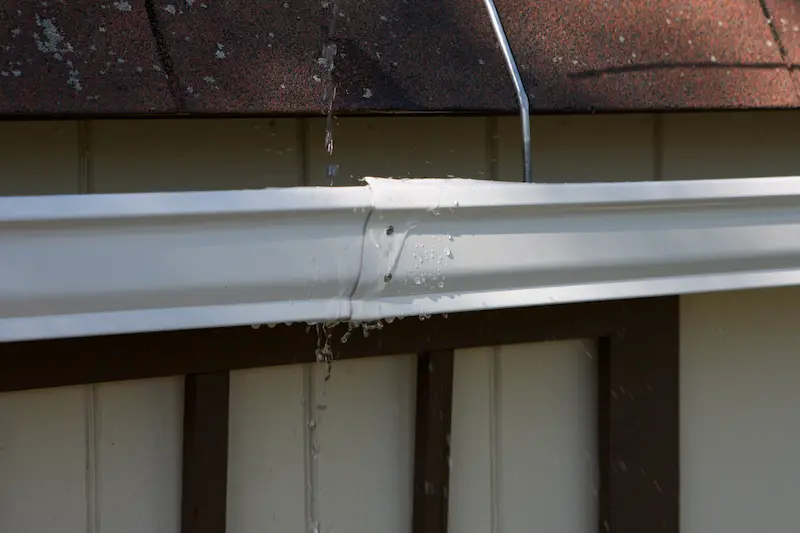
Small leaks can lead to bigger issues if ignored — over time, this directly influences how long pole barns last in Pennsylvania.
Want to control water around your building from day one?
See how a proper gutter system protects your foundation and reduces maintenance over time.
👉 Explore Pole Barn Gutter Systems
A Real-World Example
It’s not uncommon to see two similar buildings perform very differently.
In one case, proper grading and drainage were handled from the start. The building continues to perform as expected.
In another, water was allowed to sit near the structure. Within a few seasons, small issues began to appear — nothing major at first, just signs that something wasn’t working the way it should.
That’s usually how it starts.
Final Thoughts: Lifespan Is the Result of Decisions
A pole barn doesn’t wear out on a fixed timeline.
It either performs well for decades, or it begins to show problems earlier than expected.
The difference comes down to:
- How water is managed
- How systems are matched to the environment
- How small details are handled early
When those are done right, lifespan becomes less about a number and more about how long the building continues to perform without becoming something you have to manage. In the end, how long do pole barns last in Pennsylvania comes down to how these details are handled early.
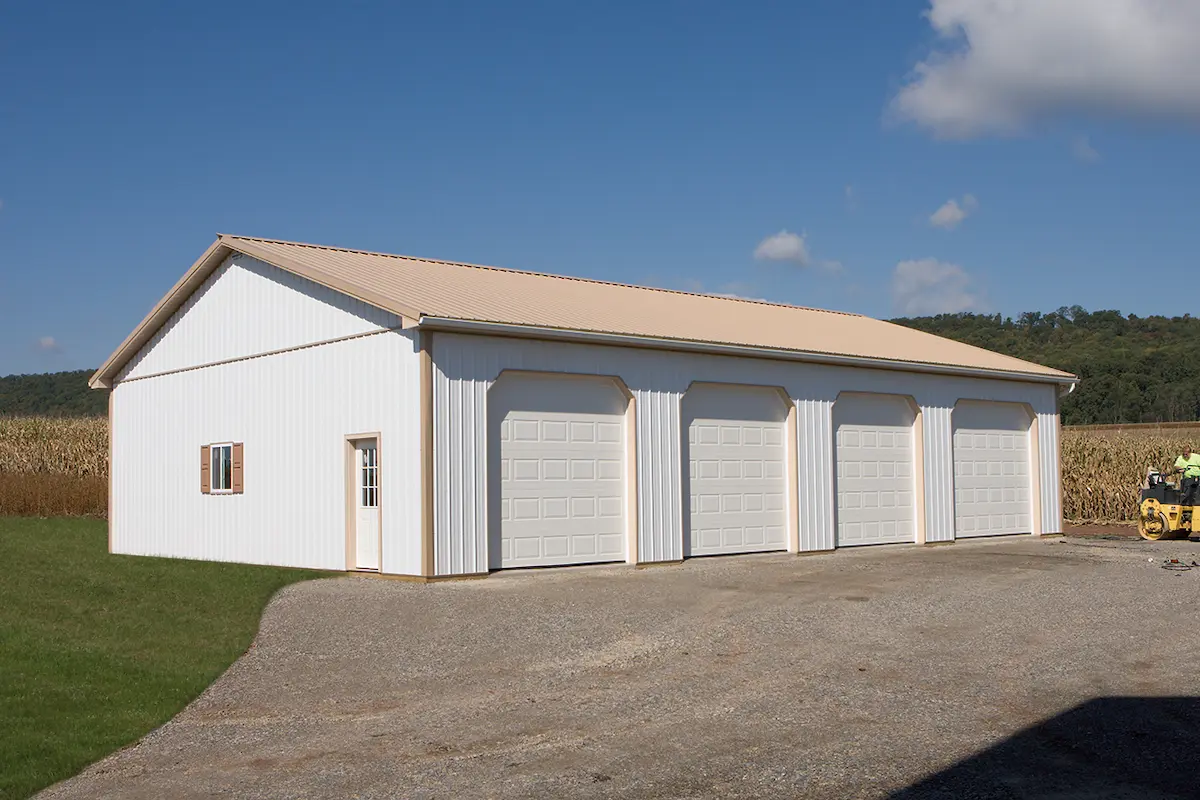
Long lifespan comes from the right approach
Plan Your Building with the Right Approach
If you want to see how different systems, materials, and options come together:
No signup • Takes 2 minutes
Personalized pricing • No obligation
Built in Pennsylvania • Amish Craftsmanship • Trusted Since 2003