

Pole Barn Garages
Sizes, Costs, and Design Options
For many property owners, a garage is more than a place to park vehicles. It often becomes storage, workspace, equipment protection, and long-term value all in one. That’s why pole barn garages are increasingly chosen as an alternative to traditional garage construction.
Post-frame construction allows for flexibility in size, layout, and future use—making it easier to design a garage that actually fits how the space will be used.
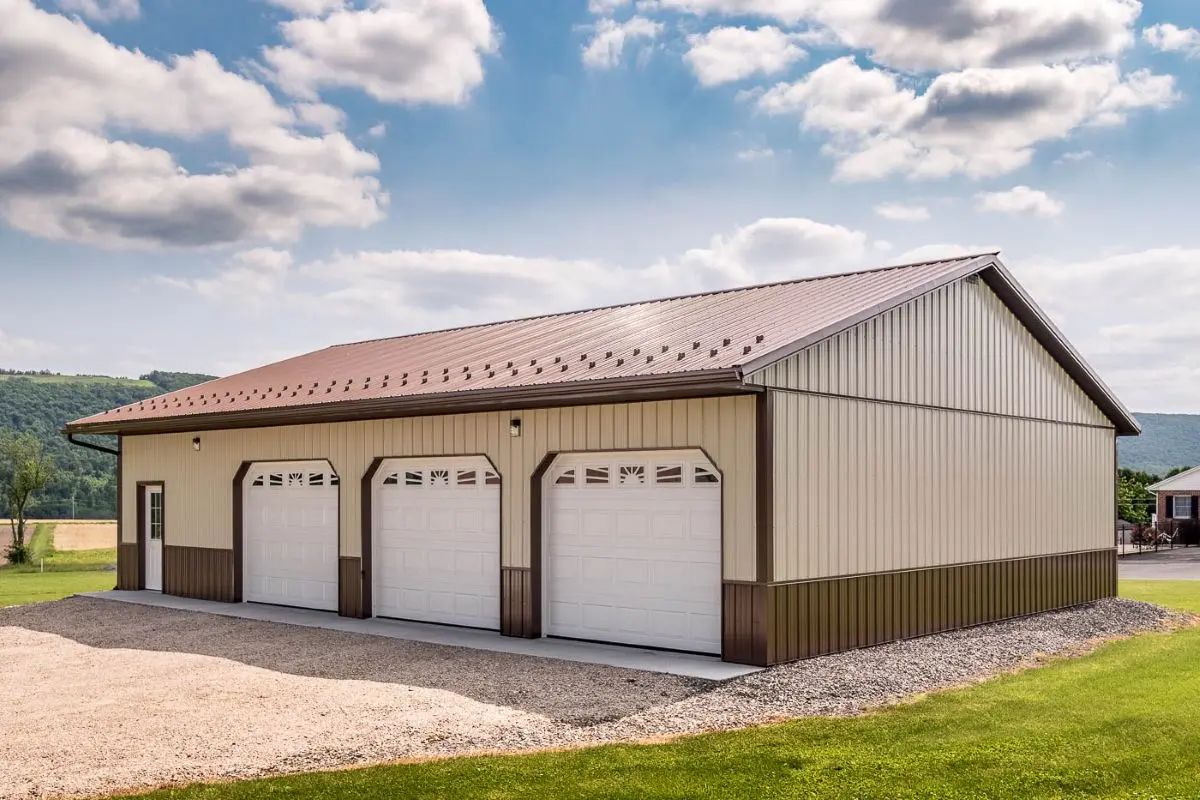
Below, we’ll walk through common garage sizes, cost considerations, and design options to help you evaluate whether a pole barn garage makes sense for your property.
Before diving into sizes and costs, it helps to see your options visually.
Design a Pole Barn Garage
.
What Makes a Pole Barn Garage Different?
Pole barn garages use post-frame construction rather than continuous foundation walls. This construction method creates wide-open interiors and fewer structural limitations.
In practical terms, that means:
- More usable interior space
- Flexible door and layout options
- Easier expansion if needs change
For property owners comparing building methods, understanding these differences is important. We’ve outlined the structural distinctions in more detail in our guide on
👉 Pole Building vs. Traditional Construction
.
Common Pole Barn Garage Sizes
The right garage size depends not only on vehicles, but also on storage, equipment, and long-term plans.
Smaller Pole Barn Garages
Typical size: 24’ x 24’
Often used for:
- Single vehicles
- Limited storage
- Smaller residential properties
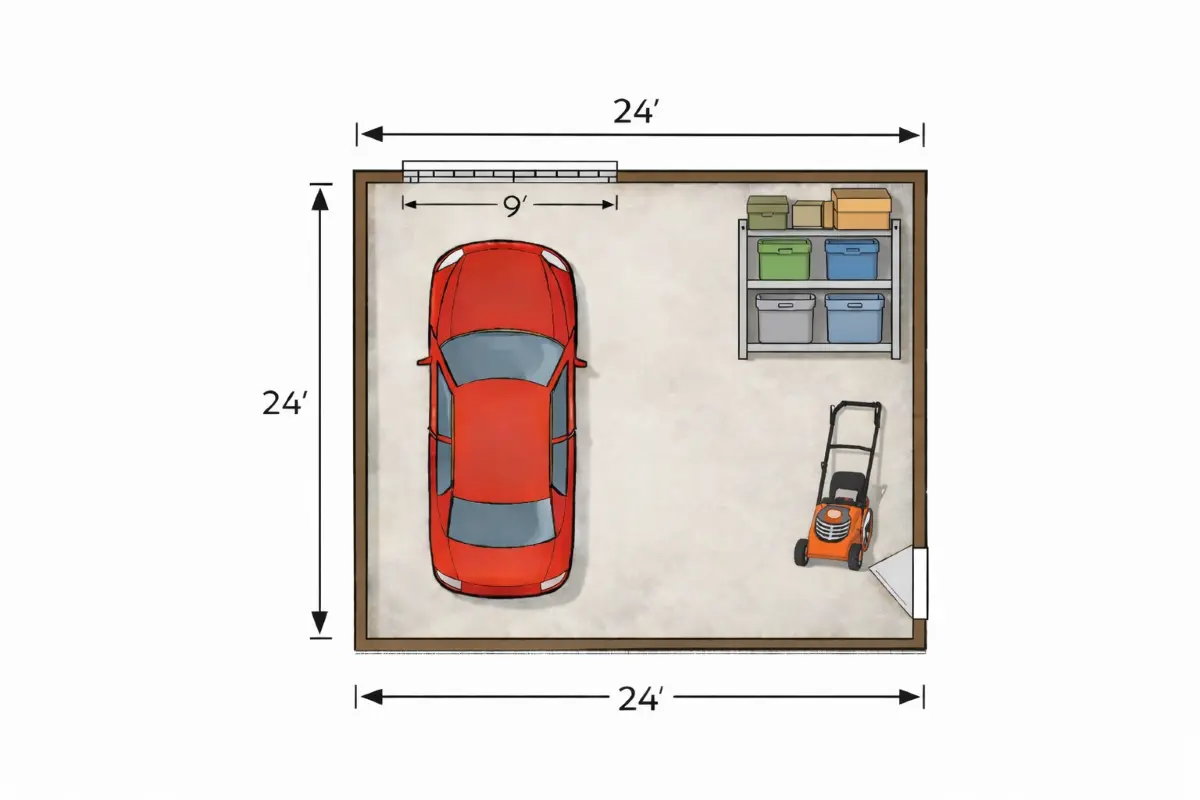
Smaller pole barn garages are often ideal for single vehicles or limited storage needs, especially on residential properties with space constraints..
Standard Two-Car Pole Barn Garages
Typical sizes:
- 24’ x 30’
- 30’ x 30’
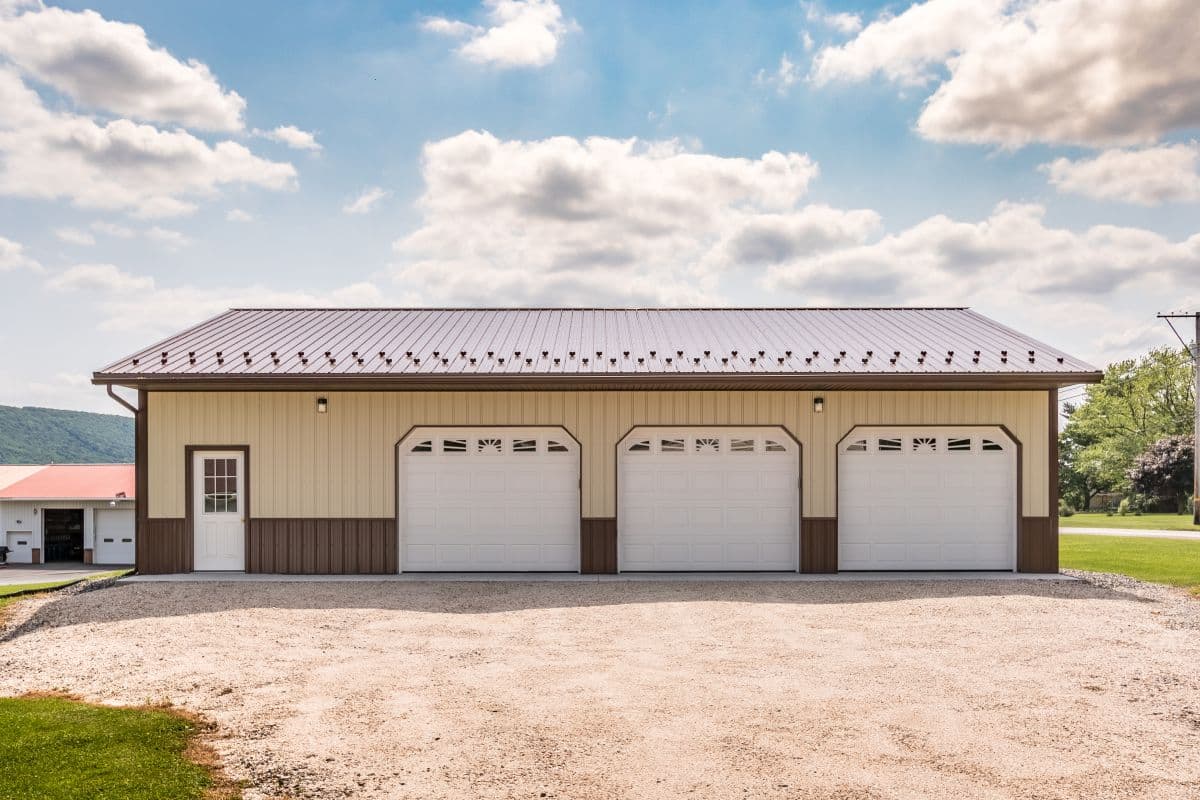
These layouts provide space for vehicles while leaving room for storage or light workshop use. For many homeowners, this is the most balanced starting point.
At this stage, some owners find it helpful to experiment with layouts using a building design tool to visualize door placement, roof styles, and dimensions before moving forward.
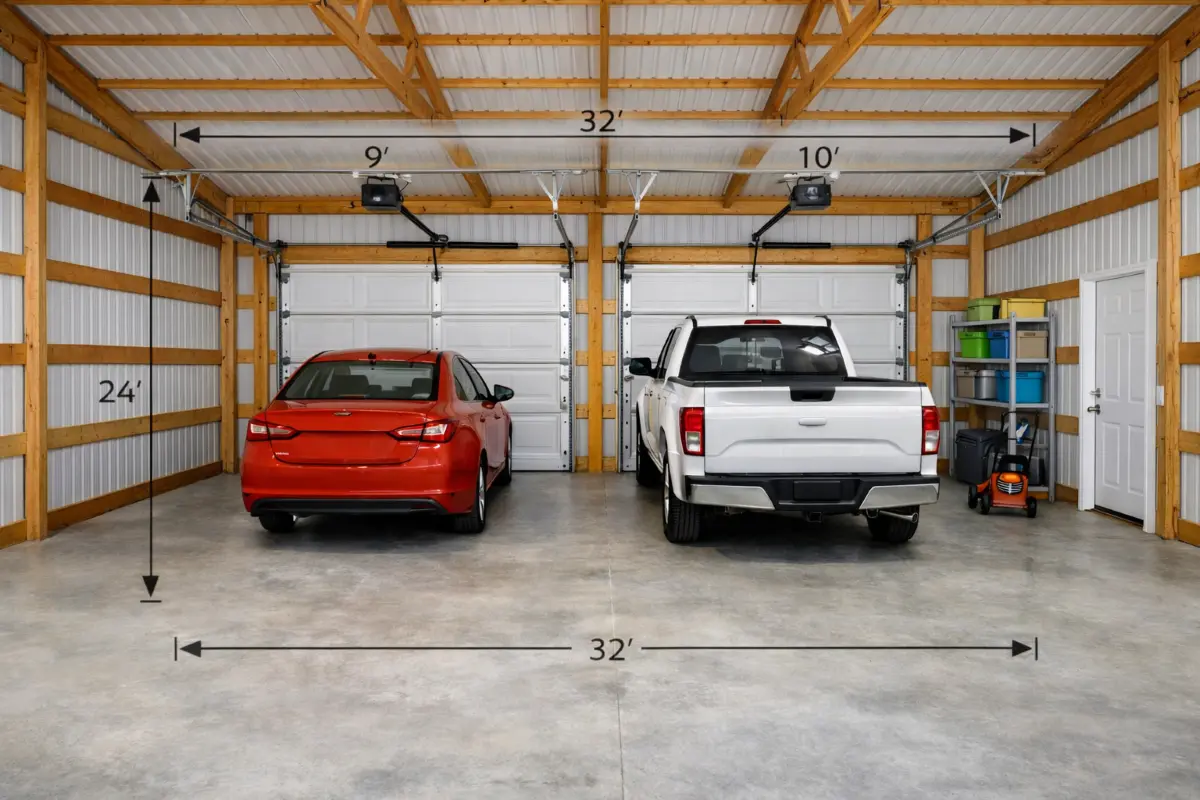
Standard two-car pole barn garages provide a balance between vehicle storage and additional space for tools or light workshop use.
Larger or Multi-Use Garages
Typical sizes:
- 30’ x 40’
- 40’ x 60’ and larger
Larger garages are often designed to accommodate:
- Trucks, RVs, or trailers
- Workshop or hobby space
- Equipment storage
In many cases, slightly increasing the size during initial construction can prevent costly changes later.
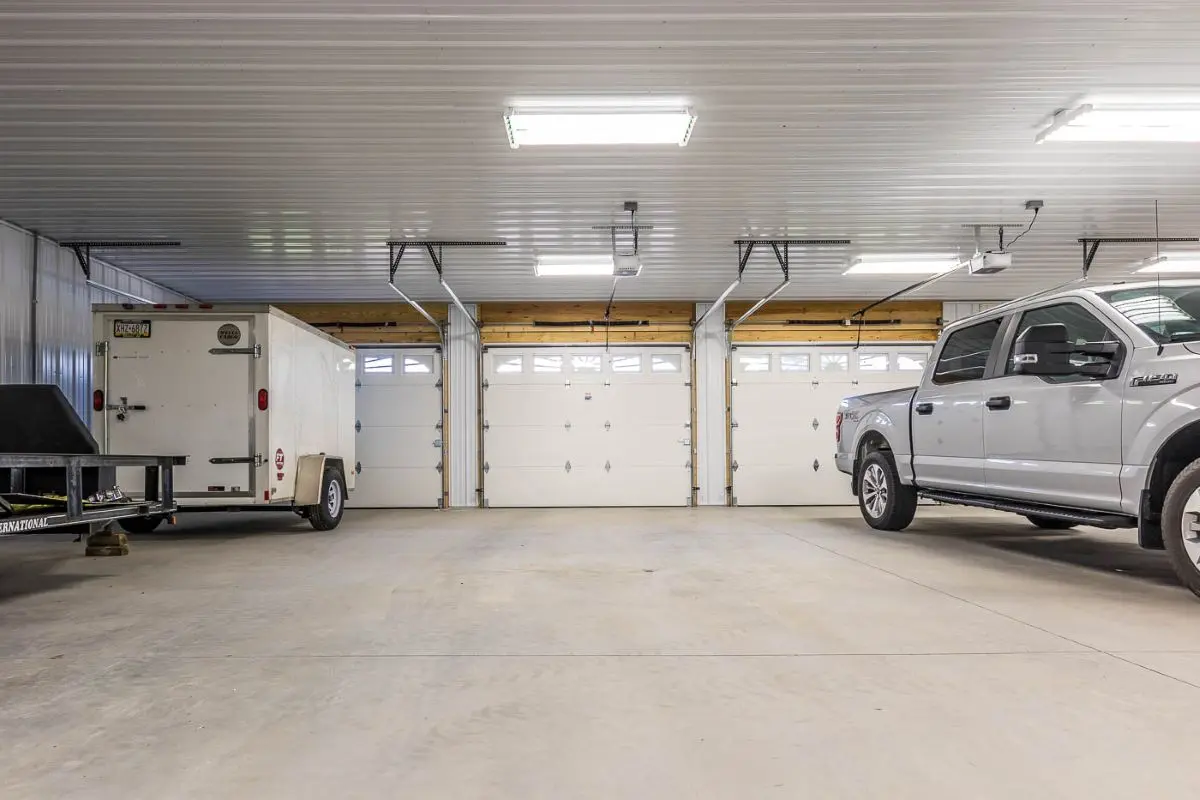
Larger pole barn garages are often designed to accommodate trucks, equipment, or workshop areas while allowing room for future expansion.
Understanding Pole Barn Garage Costs
There is no single price for a pole barn garage. Costs depend on several interconnected factors, including:
- Building size and layout
- Site conditions
- Foundation approach
- Exterior materials
- Interior features such as insulation or electrical
Pole barn garages are often more cost-effective per square foot than traditional construction, but customization plays a significant role in the final investment.
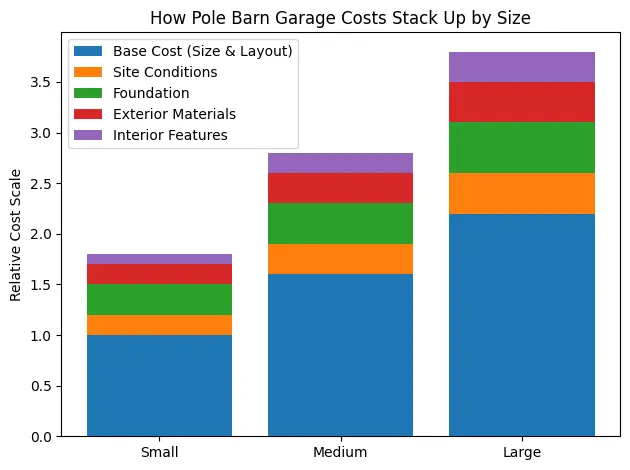
Pole barn garage costs vary based on size, materials, and features, making it important to align design choices with actual use.
If long-term value is part of your decision, it’s worth reviewing how different building choices affect return over time. Our article on
👉 Pole Barn ROI: A Smart Investment
explores this in more detail.
Design Choices That Matter
Door Configuration
Door placement affects both function and daily use. Options commonly include:
- Overhead garage doors
- Sliding doors for wide access
- Combination layouts for vehicles and equipment
Interior Considerations
Depending on how the garage will be used, owners may include:
- Insulation for seasonal or year-round use
- Concrete floors with reinforcement
- Electrical service and lighting
- Storage lofts or mezzanines
These decisions are often easier to make once a preliminary layout is visualized. Many owners choose to refine their plans using a design tool before requesting final pricing.
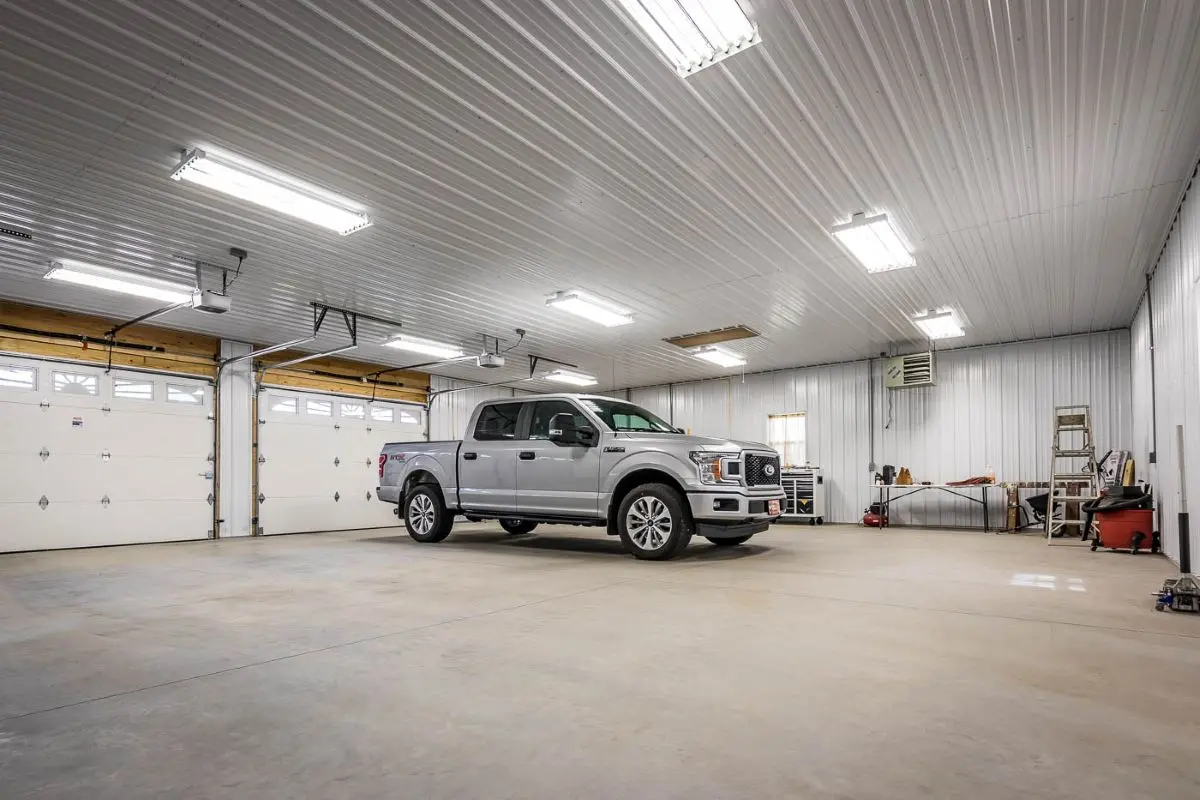
Interior design choices such as lighting, ceiling finishes, and layout play a key role in how a pole barn garage functions day to day.
Pole Barn Garage vs. Traditional Garage Construction
Compared to traditional garages, pole barn garages typically offer:
- Greater layout flexibility
- Faster construction timelines
- Easier future expansion
However, every property is different. A careful comparison of construction methods helps ensure the building matches both current needs and future plans.
Planning Beyond Today’s Needs
One of the most common regrets in garage construction is building too small. Thinking ahead—additional vehicles, equipment, or workspace—can make a significant difference over time.
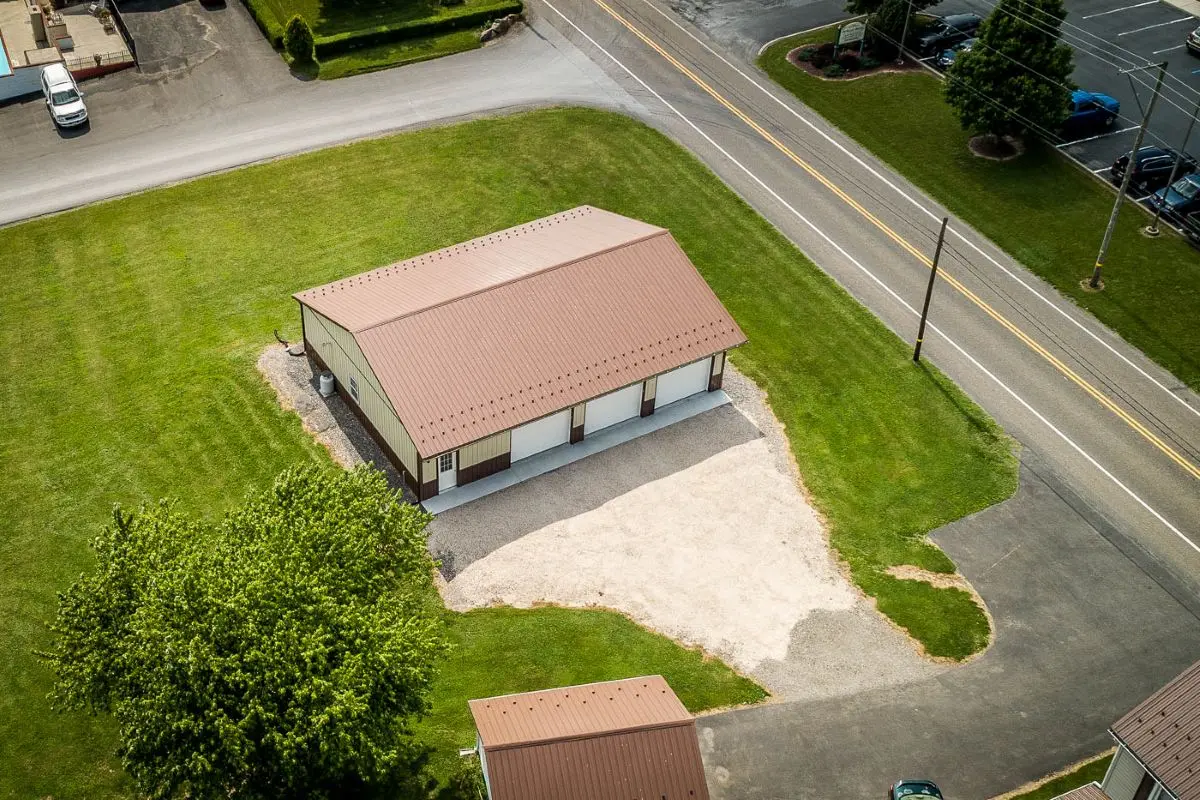
Planning a pole barn garage with future needs in mind can help avoid costly expansions as storage or vehicle requirements grow.
For owners exploring financing options as part of that planning, our overview of
👉 How to Finance a Pole Barn
covers common approaches and considerations.
Final Thought
Pole barn garages offer a flexible, long-term solution for vehicle storage, workspace, and equipment protection. When designed around actual use and future plans, they can provide decades of value.
Understanding size options, cost drivers, and design considerations is the foundation for making the right choice.
Taking the Next Step
Once you have a general idea of size and layout, there are a few practical ways to move forward:
- Use a design tool to explore layouts and features
- Request a custom quote based on your property and needs
- Review quick pricing for popular garage configurations to establish a budget range
Each step helps refine expectations before making larger decisions.
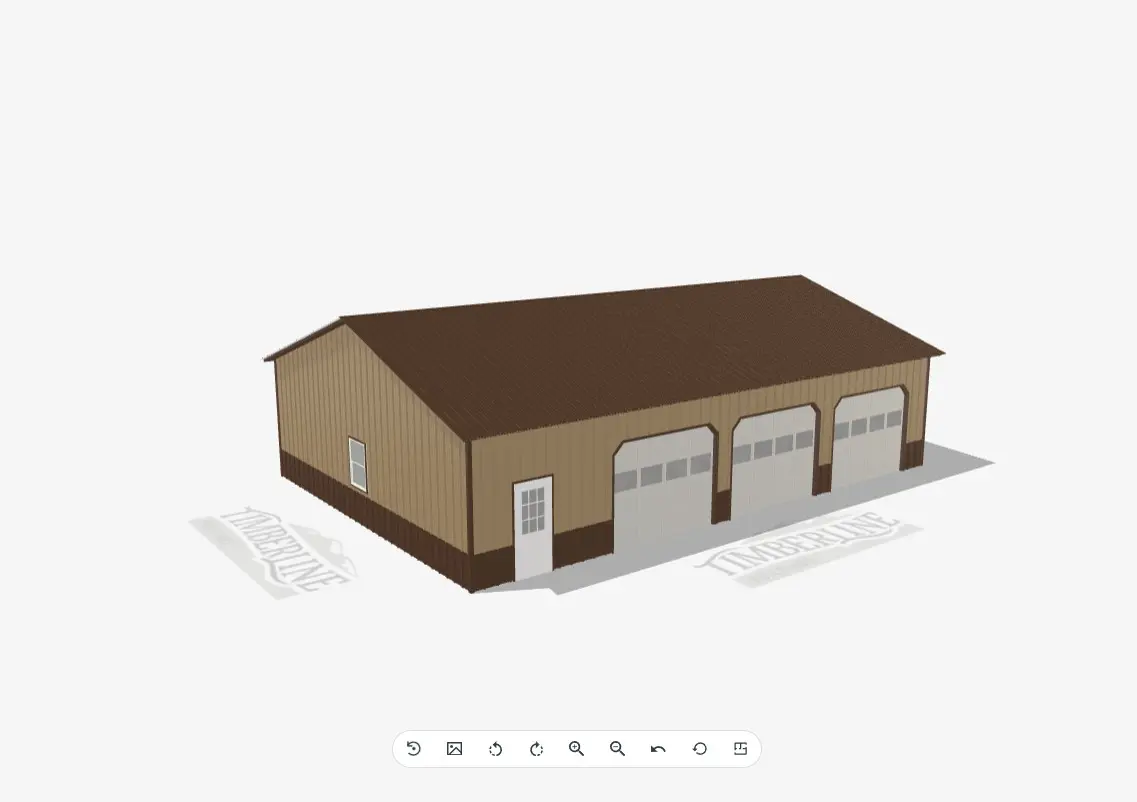
Once size and layout are defined, the next step is exploring design options and pricing to refine expectations before building.
No signup • Takes 2 minutes
Personalized pricing • No obligation
Built in Pennsylvania • Amish Craftsmanship • Trusted Since 2003