Planning a Pole Barn During the Holiday Season
The holiday season brings a rare pause. Work slows down, schedules loosen, and time spent with family naturally shifts how decisions are made. It’s a season when people step back from daily pressure and begin thinking about what the future should actually look like.
For many property owners, this is when ideas about a new building quietly surface. Not because there’s urgency — but because there’s finally room to think clearly.
Planning a pole barn during the holiday season isn’t about rushing construction. It’s about using this calmer window to make thoughtful, balanced decisions that reflect real needs, real values, and long-term goals.
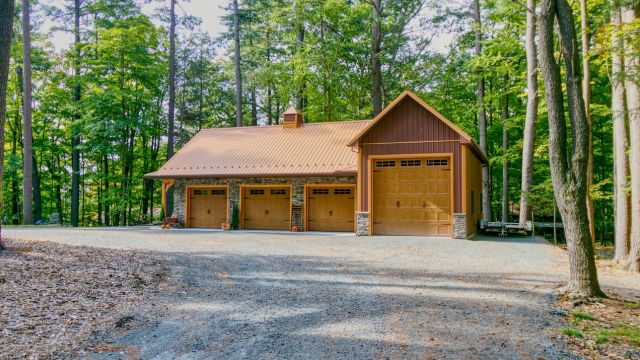
A thoughtfully planned pole barn designed around daily use, long-term needs, and balanced decision-making.
Why Holiday Season Planning Feels Different
During most of the year, planning is often reactive. Decisions are driven by deadlines, work demands, or immediate problems that need fixing.
The holiday season changes that dynamic.
With family time at the center, conversations tend to focus less on speed and more on purpose. People naturally think about how their property supports daily life, future plans, and the balance between work and home.
That mindset leads to better planning — not louder decisions, but clearer ones.
Planning insight:
✅The best projects often begin when pressure fades and priorities come into focus.
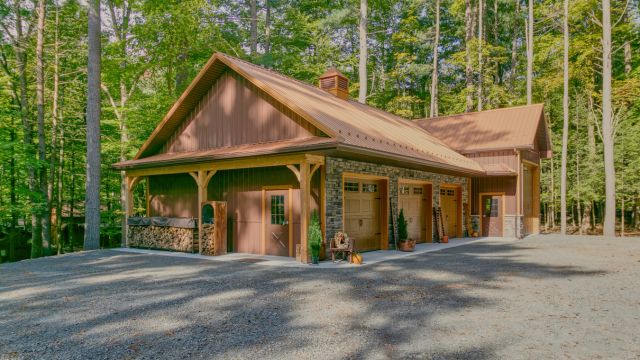
When decisions are made without pressure, projects tend to reflect real priorities rather than rushed choices.
Start With Your Needs — Not Assumptions
Every successful building project begins with clarity around use. Before thinking about size, layout, or cost, it’s essential to define why the building is needed in the first place.
This is where many projects quietly go off track.
Take a moment to note:
-
What is the primary purpose of the building today?
-
How might that use change over the next 5–10 years?
-
How does this building support daily routines, storage, work, or family life?
Projects planned around assumptions often lead to compromises later — doors that don’t align with workflow, space that feels just short of what’s needed, or features that should have been considered earlier.
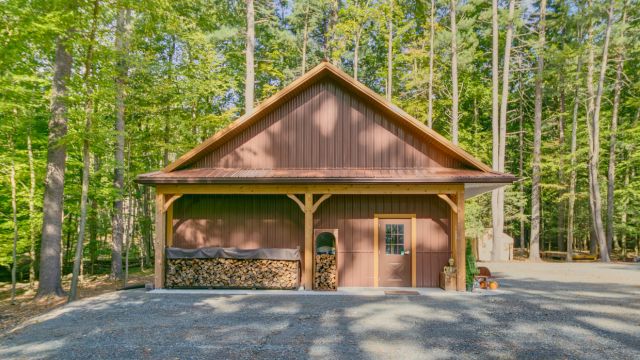
Clear planning starts with understanding how the building will actually be used — today and in the future.
✅Clear needs create efficient designs.
Learn more about defining your project goals:
https://buildingsbytimberline.com/your-needs/
Understand the Investment — Not Just the Price
One of the most common planning mistakes is treating price and value as the same thing.
During the holiday season, there’s time to step back and understand what an investment actually includes. This means looking beyond the bottom number and asking the right questions.
Before comparing quotes, write this down:
-
What materials and features are included?
-
Is labor clearly defined?
-
Does this investment reflect long-term reliability or just initial cost?
Clear investment understanding prevents disappointment later — especially when expectations and reality don’t align.
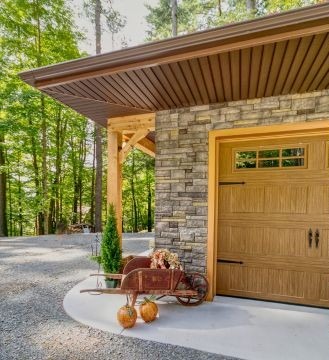
Material and design details are part of the investment long before construction begins.
✅Knowing what you’re investing in is just as important as knowing how much it costs.
Read more:
https://buildingsbytimberline.com/investment/
Budget Planning Works Best When It’s Flexible
Holiday planning allows budget conversations to happen calmly — without urgency or pressure.
Strong planning doesn’t rely on a single number. It works best when budget is treated as a range, allowing room to explore options and align expectations.
Make note of:
-
A comfortable target budget
-
A realistic upper limit
-
Which features are essential and which are flexible
It’s also important to account for more than the building itself, including site work, permits, and optional upgrades that support long-term use.
Financing options can help align timelines with goals — allowing planning to move forward without rushing decisions.
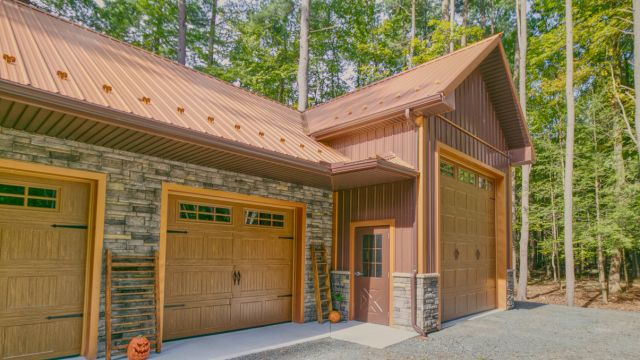
Early budget planning creates flexibility and confidence as options are explored.
✅Budget clarity creates confidence.
Explore financing options:
https://buildingsbytimberline.com/pole-barn-financing/
Think About the Site Early — It Shapes Everything
A well-planned building depends on more than design. The site it sits on plays a critical role in how smoothly the project moves forward.
Holiday planning is the right time to walk the property, observe conditions, and make practical notes without the pressure of an active construction timeline.
Pay attention to:
-
Ground conditions and slope
-
Drainage and water flow
-
Access for construction and daily use
When site preparation is overlooked early, delays and added costs often follow.
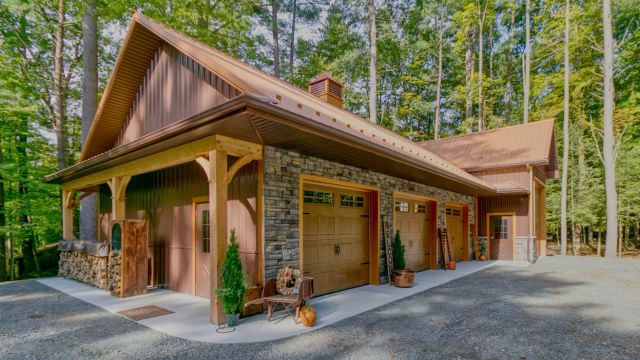
Site access and layout decisions influence how smoothly a project moves forward.
✅ Good planning includes understanding the land, not just the building.
Review site preparation guidance:
https://buildingsbytimberline.com/site-preparation/
Permits Are Easier When They’re Planned — Not Rushed
Permits are a process, not a last-minute step.
During the holiday season, there’s time to understand local zoning requirements, setbacks, and documentation needs without stress. Early awareness keeps timelines realistic and prevents unnecessary delays later.
Before setting expectations, confirm:
-
Local zoning and building requirements
-
Required drawings and documents
-
Review timelines for township or municipal approval
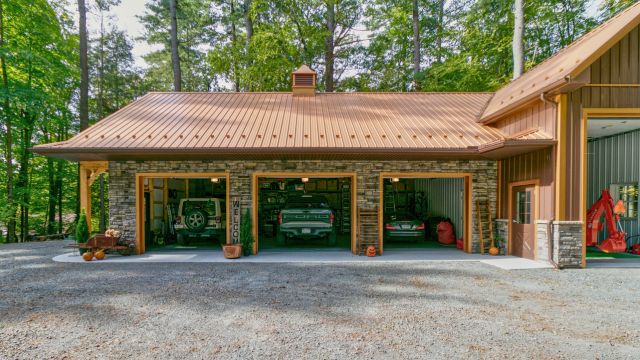
Early permit planning helps avoid unnecessary delays later in the process.
✅Permits rarely delay projects — late planning does.
Learn more about the permit process:
https://buildingsbytimberline.com/permit-process/
A Simple Pole Barn Planning Flow
When ideas start to form, it helps to see the process clearly.
A practical planning flow looks like this:
Needs → Investment Clarity → Budget Alignment → Site Awareness → Permit Preparation → Ready When the Time Is Right
This sequence keeps decisions organized and prevents rushed choices when construction timing becomes a factor.
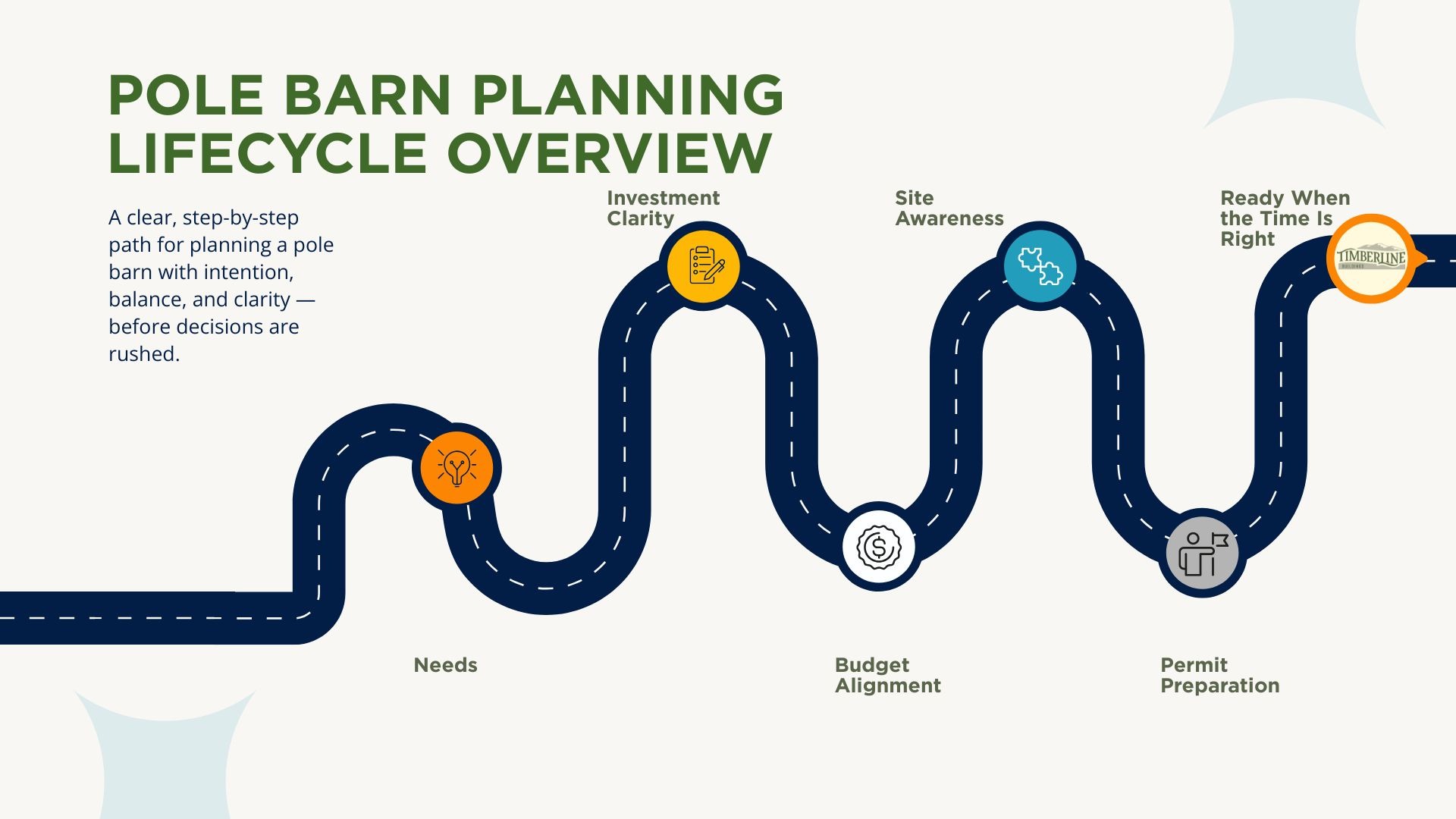
This simple planning lifecycle shows how a pole barn project takes shape — from identifying real needs to being ready when the time is right. Each step builds clarity before decisions are made.
Final Thought
The holiday season offers something rare: space to think clearly.
Without daily pressure, decisions can be guided by real priorities — family, function, balance, and long-term value. Planning a pole barn during this time isn’t about accelerating construction; it’s about setting the foundation for a smoother, more confident experience when the time feels right.
The strongest projects don’t begin with urgency.
They begin with intention.
Bonus Resource: Thinking Long-Term Without Pressure
Planning a pole barn often brings up broader questions about timing, priorities, and long-term decision-making. If you’re interested in general guidance on how to think through major projects calmly and intentionally, this resource may be helpful.
For broader perspectives on long-term planning and decision-making, the
Small Business Administration – Planning Your Business
offers a clear framework that applies to many types of property investments.
What’s the Right Next Step?
If ideas have started to take shape, there’s no need to rush the process.
Choose the next step that fits where you are right now.
Explore & Visualize Your Ideas
If you’re still thinking through layout, size, or options, start by seeing what’s possible.
✅ Customize This Building
Use a real project as a starting point and adjust it to fit your needs.
Share Your Ideas — No Pressure
If you have a general direction but want feedback, sharing your ideas is an easy way to move forward.
✅ Share Project Details
Tell us how you’re thinking about using your building, and we’ll help shape the plan.
Ready for Pricing?
If you’re ready to talk numbers and timing, you can request a detailed quote at any time.
✅ Request a Quote
Get clear pricing based on your project goals.