

Pole Building vs Stick Built vs Steel Frame
If you’re weighing the pole building pros and cons against stick-built or steel frame construction, you’re not alone. It’s one of the most common questions Pennsylvania property owners ask before committing to a building project — and the answer isn’t always straightforward.
You’ve got land. You’ve got a project in mind. Maybe it’s a new equipment shed before harvest season. Maybe it’s a garage you’ve needed for years. Maybe your business is outgrowing its current storage space. Or maybe you’re finally ready to build the workshop you keep sketching ideas for on scraps of paper.
Then the real questions start.
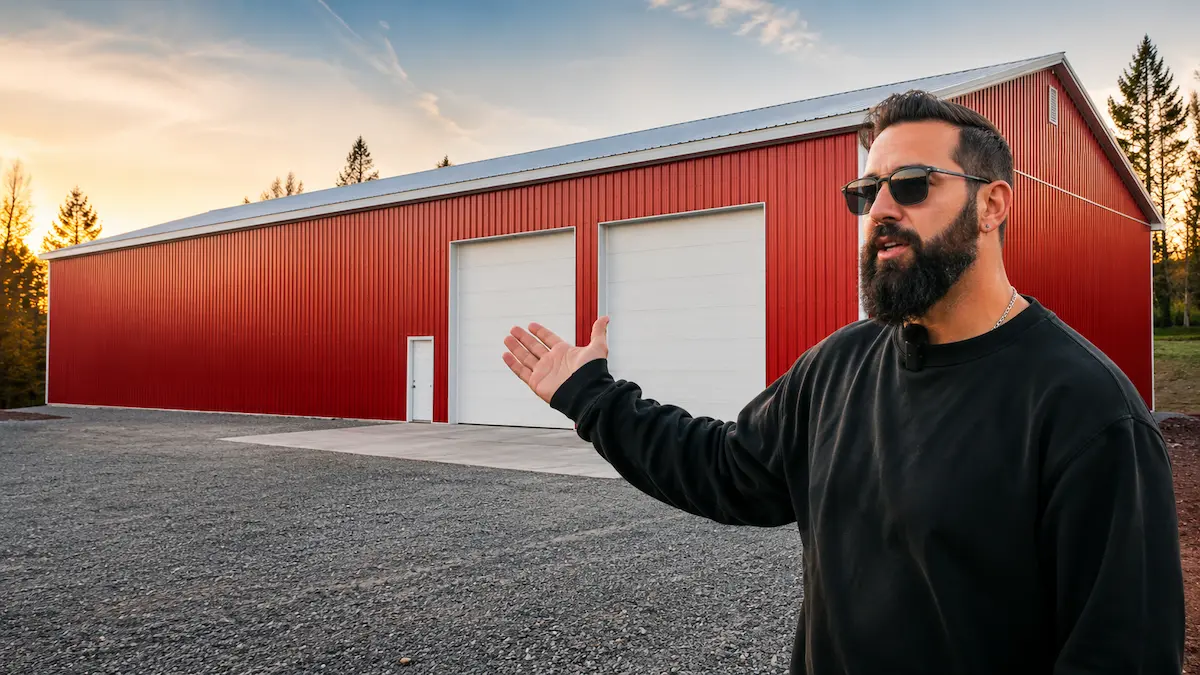
Like this building? Start with this design and make it your own.
Customize the layout, size, and features to fit your needs, then we can help you review the right options for a building that performs well over time.
👉 Customize This Building
Should you build a pole building? Go with traditional stick-built construction? Spend more and choose steel?
This is usually the point where people get overwhelmed, because every builder, every website, and every YouTube video seems to claim their system is the “best.” And honestly, none of them are completely wrong. Each construction method has real strengths. Each also comes with tradeoffs that rarely get explained clearly upfront.
A steel building may sound stronger, but it can easily cost more than your project actually requires. A stick-built structure may feel more familiar, but often comes with a longer build timeline and higher foundation costs. A pole building may offer the best overall balance — but only if it matches how you truly plan to use the building long term.
That’s the part many people skip. The best building isn’t the one with the biggest marketing claim. It’s the one that fits your property, your budget, your timeline, and the way you’ll realistically use the structure five or ten years from now.
For many agricultural, residential, and light commercial projects in Pennsylvania, post-frame construction continues to be the practical middle ground between cost, speed, flexibility, and long-term usability. But that doesn’t automatically make it the right answer for everyone.
Let’s break down the real-world pole building pros and cons — alongside stick-built and steel frame — without the sales pitch.
Pole Building vs Stick Built vs Steel Frame: Quick Comparison
Before diving into each method separately, here’s a clear breakdown of the pole building pros and cons that most property owners are actually looking for at a glance.
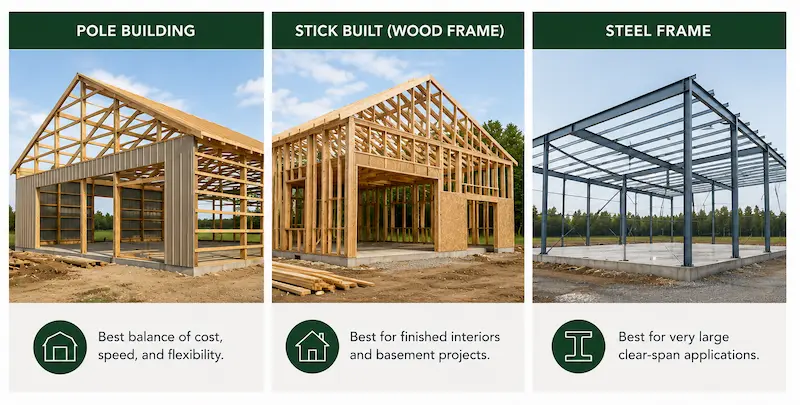
| Feature | Pole Building | Stick Built | Steel Frame |
|---|---|---|---|
| Upfront Cost | Usually Lowest | Mid-Range | Highest |
| Build Speed | Fastest | Slowest | Faster |
| Usable Interior Space | Excellent | Good | Excellent |
| Design Flexibility | Most Adaptable | More Adaptable | Least Adaptable |
| Insulation | Easier to Insulate | Easiest to Insulate | Most Difficult to Insulate |
| Finished Interior | Easier to Finish | Easiest to Finish | Most Difficult to Finish |
| Foundation | Wood Posts / Simplified Foundation | Full Foundation | Concrete Piers/Foundation |
| Basement Capability | No | Yes | No |
| Large Clear Spans | Good | Limited | Excellent |
| Future Expansion | Excellent | Good | Moderate |
| Code Compliance | Yes | Yes | Yes |
At first glance, steel can look like the “ultimate” option.
But most projects don’t actually require massive industrial clear spans.
And most buyers eventually realize they care more about:
- practical usability
- speed
- flexibility
- long-term value
- and staying within budget
than simply choosing the most expensive structure available.
Pole Building Pros and Cons: What Makes Post-Frame So Popular?
Modern pole buildings are very different from what many people picture. A lot of homeowners still imagine old farm barns with exposed framing, dirt floors, little insulation, and purely agricultural use. That’s no longer the reality for most post-frame construction.
Today, pole buildings are commonly used for residential garages, hobby shops, contractor buildings, horse barns, equipment storage, finished workshops, commercial warehouses, and even fully insulated office and retail spaces. The reason is straightforward: post-frame construction is structurally efficient in a way that most other systems simply aren’t at this price point.
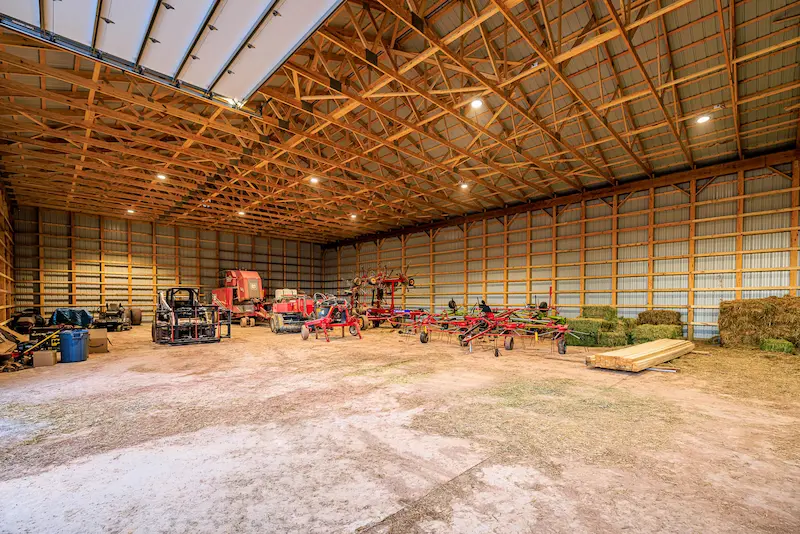
Because the structural system relies on widely spaced posts instead of continuous load-bearing walls, it creates large usable interior spaces with fewer structural limitations. That gives property owners more flexibility both now and later. A customer may initially build a structure for equipment storage, then years later convert part of the same building into a workshop, office space, vehicle storage, or a finished recreational area. That kind of long-term adaptability is one of the most underrated pole building pros — and it matters more than many people realize when they’re first comparing options.
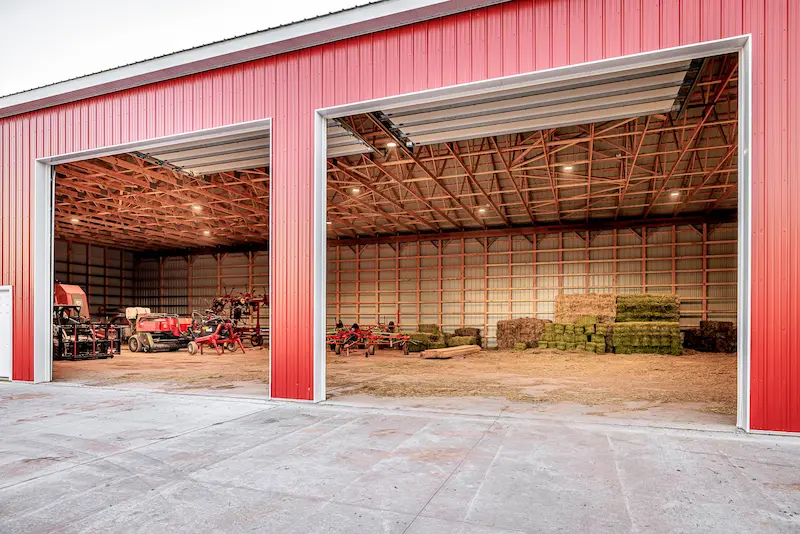
Planning Your Overhead Door Layout?
Explore overhead door styles, window options, and finishing details that can improve both access and appearance.
👉 View Door & Window Options
Faster Construction Timeline
Speed is one of the most practical pole building pros for Pennsylvania property owners. Compared to traditional construction, post-frame buildings often require less extensive foundation work, fewer structural materials, faster framing installation, and shorter overall build schedules.
A straightforward 40×60 post-frame building can often be enclosed significantly faster than a similarly sized stick-built structure. In Pennsylvania, that timing matters more than many buyers expect. Trying to pour foundations, frame walls, and dry-in a project while fighting late fall rain, snow, or freeze-thaw conditions can quickly create delays and extra costs that weren’t in the original budget.
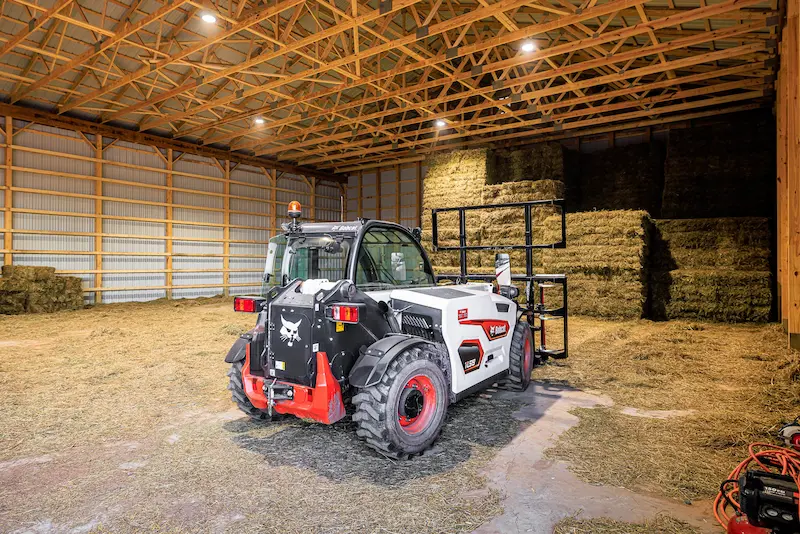
Still Comparing Your Building Options?
Explore planning guides, design considerations, and practical tips to help you choose the right building for your property and long-term needs.
👉 Explore Planning Resources
Where Stick-Built Construction Still Makes Sense
Traditional wood framing still has real advantages — especially when the interior living environment matters just as much as the structure itself. If your project includes full-time living space, residential-style layouts, multiple finished rooms, basements, or extensive drywall finishing, stick-built construction may feel more natural and familiar. That’s why traditional framing still dominates residential home construction, and it’s also easier for some subcontractors who primarily work in residential interiors.
But the pole building pros and cons comparison becomes clearer when you look at what stick-built actually costs in practice. These projects often involve more foundation work, longer timelines, higher labor costs, and more structural limitations for wide-open spaces. For some projects, those tradeoffs are absolutely worth it. For others, they become expensive features the owner never truly needed.
If you’re building a garage, equipment storage, a workshop, or a light commercial structure, the additional cost and time of stick-built construction rarely translates into better day-to-day performance. But if finished living space, a basement, or a fully residential interior is part of the plan, stick-built remains the stronger choice.
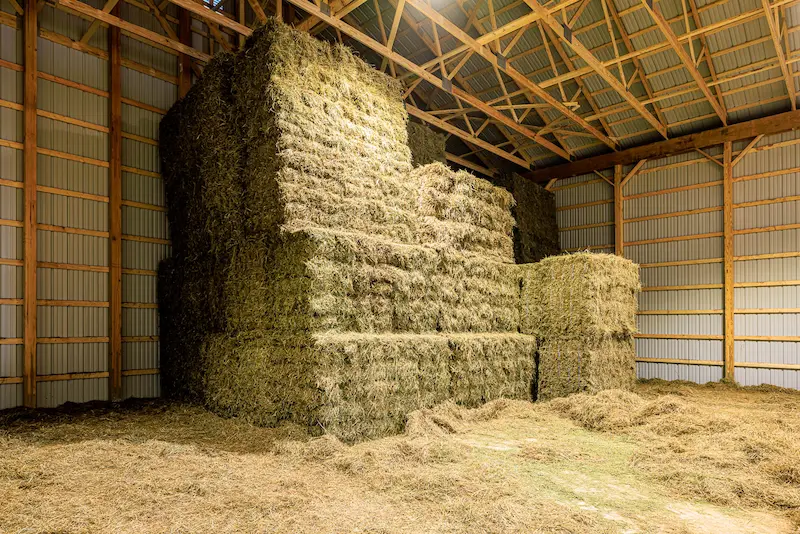
Planning Equipment and Storage Space?
See how Pennsylvania farmers design pole barn layouts for equipment storage, maintenance areas, and efficient daily workflows.
👉 Explore Farm Layout Planning Tips
When Steel Buildings Become the Better Choice
Steel buildings solve a very specific type of problem extremely well. If your project requires extremely large clear spans, heavy industrial structural capacity, or multi-story commercial construction, steel often becomes the stronger option. Large industrial manufacturing facilities, distribution centers with ultra-wide clear spans, buildings requiring heavy overhead crane systems — these are the scenarios where steel earns its higher cost.
Steel can achieve clear spans that wood-based systems often cannot match economically. But this is also where many buyers misunderstand the pole building pros and cons conversation. The assumption is often: “Steel is stronger, so it must automatically be better.” In reality, steel introduces challenges that people don’t always consider upfront — it can be harder to insulate correctly, more prone to condensation issues if poorly designed, and significantly more difficult to finish internally.
For most residential, agricultural, and light commercial projects in Pennsylvania, those additional costs and complications don’t provide meaningful day-to-day advantages. Steel is the right answer for a narrow set of industrial applications. Outside of those, post-frame typically delivers better value.
Pole Building Longevity: Separating Myth from Reality
When researching pole building pros and cons, this misconception comes up more than any other: many people still assume pole buildings are temporary structures. Modern engineered post-frame buildings are not temporary. A properly designed pole building built with quality materials can last for decades — and many post-frame buildings constructed in the 1970s are still actively used today.
In real-world performance, what actually determines longevity has less to do with the construction method and more to do with
- site drainage
- moisture management
- snow load engineering
- ventilation
- roofing systems
- installation quality.
Poorly managed water around any building in Pennsylvania’s freeze-thaw climate can create long-term problems regardless of whether the structure is post-frame, stick-built, or steel. Construction quality matters far more than the label.
If you’re evaluating long-term durability, the right question isn’t “which system lasts longer?” — it’s “which builder takes site conditions and engineering seriously?” That answer applies equally to every construction method.
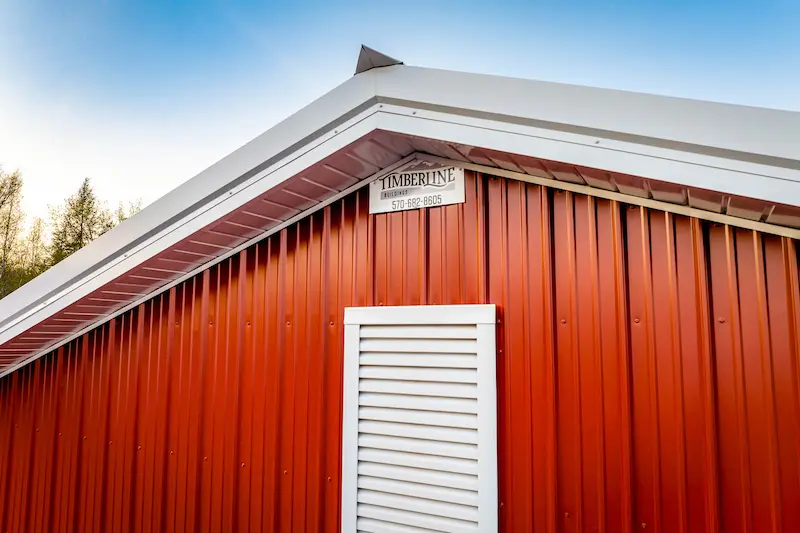
Wondering How Long a Pole Building Can Last?
Learn what affects pole barn lifespan in Pennsylvania, including materials, drainage, maintenance, and long-term building performance.
👉 Read About Pole Barn Lifespan
Real-World Scenario: Choosing the Right Building for the Budget
Imagine a contractor in central Pennsylvania planning a new 50×80 storage and maintenance building.
At first, he assumes steel is automatically the best option because it sounds more industrial and durable.
But after reviewing the project more carefully, he realizes:
- his equipment doesn’t require massive clear spans
- build timing matters before winter
- future flexibility matters more than maximum span width
- and staying within budget matters too
Instead of paying for an industrial-scale structural system he doesn’t truly need, he chooses a post-frame building.
The result:
- faster construction
- lower overall project cost
- flexible interior space
- room to insulate and finish sections later
That’s why post-frame construction continues to become one of the most practical choices for many rural property owners and growing businesses.
So Which Construction Method Is Right for You?
Understanding the pole building pros and cons clearly is the best place to start — because there’s no universal answer, but there is usually a practical one.
Pole Building
Post-frame delivers the best overall balance of cost, speed, flexibility, and usable interior space for most Pennsylvania property owners.
Ideal for:
- garages
- workshops
- agricultural buildings
- equipment storage
- light commercial use
Stick Built
Traditional framing is still the right answer for projects with full-time residential living space, basements, or heavily finished interiors. If your project looks more like a home than a storage or work structure, stick-built likely makes more practical sense.
Steel Frame
Steel is the strongest choice for massive clear spans, industrial-scale applications, and specialized commercial facilities where the structural requirements genuinely exceed what post-frame can deliver economically. For most rural and residential projects, those requirements simply don’t apply.
The key is choosing the system that fits your actual needs — not simply the one that sounds the most impressive on paper.
Pole Building Pros and Cons: Final Thoughts
The best building projects usually start with honest planning, not marketing hype.
Before choosing a construction method, think about:
- how the building will function five or ten years from now
- whether future flexibility matters
- how quickly you need the project completed
- how much finished interior space you truly need
- and what features are actually worth paying for
For many property owners across Pennsylvania, post-frame construction continues to provide one of the smartest combinations of practicality, efficiency, and long-term value.
But the best choice is always the one that fits your property and the way you actually plan to use it.
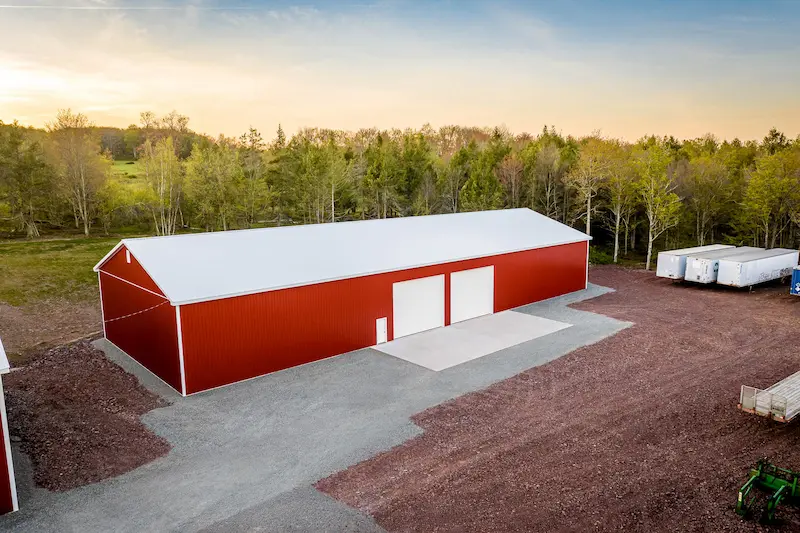
Ready to Explore Your Options?
Whether you’re planning a farm building, residential garage, workshop, or commercial storage project, choosing the right construction system early can save major headaches later.
Contact Timberline Buildings to discuss your project or request a free consultation.