

Commercial Pole Building
Permits & Zoning Rules in Pennsylvania
If you’re planning a commercial pole building in Pennsylvania, understanding commercial building permit requirements should be your first step.
Most business-use structures must comply with local zoning regulations and the Pennsylvania Uniform Construction Code (UCC).
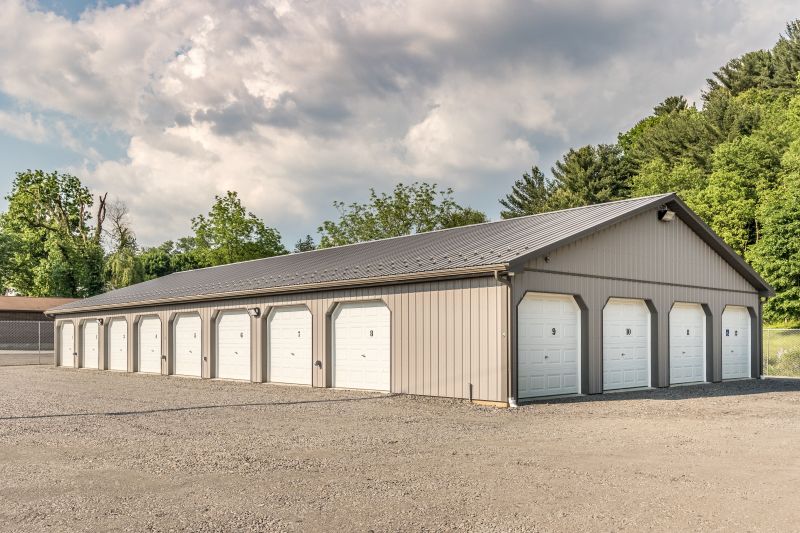
Commercial structures in Pennsylvania are regulated under the state’s Uniform Construction Code (UCC), and local zoning ordinances determine whether your intended use is allowed on your property.
Understanding both before finalizing your design can prevent costly delays.
Quick Answer: Do You Need a Permit for a Commercial Pole Building in Pennsylvania?
Yes. In nearly all cases, commercial pole buildings in Pennsylvania require a building permit under the Uniform Construction Code (UCC). Approval is issued by your local township or borough and typically requires engineered drawings, zoning approval, and inspections.
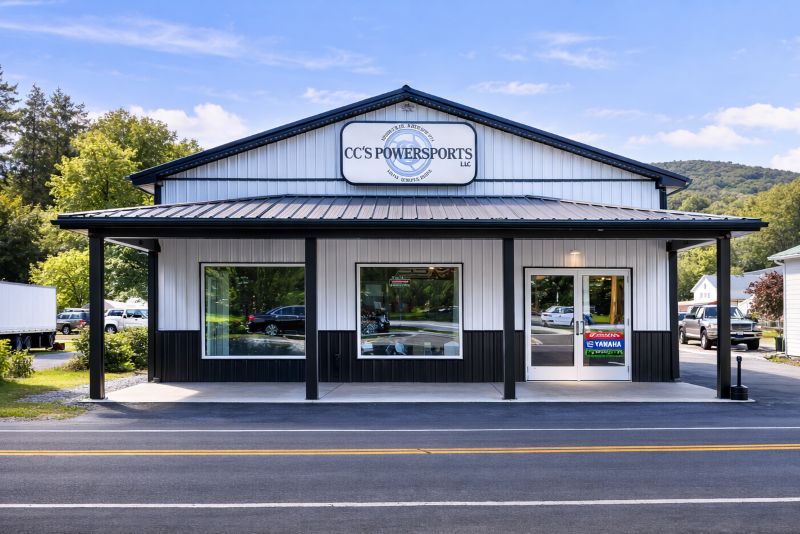
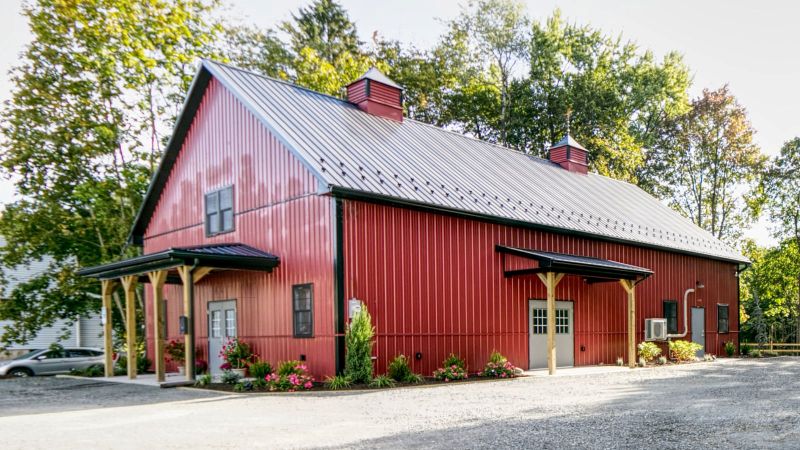
If you’re still exploring options and layouts, reviewing completed commercial building examples can help clarify what fits your business needs.
Do You Need a Commercial Building Permit in Pennsylvania?
Unlike certain agricultural exemptions, commercial buildings do not qualify for permit exemptions simply because they are post-frame or “pole” structures.
If the building:
- Stores business equipment
- Houses employees
- Generates income
- Serves customers
- Supports commercial operations
It is typically classified as commercial and requires a permit.
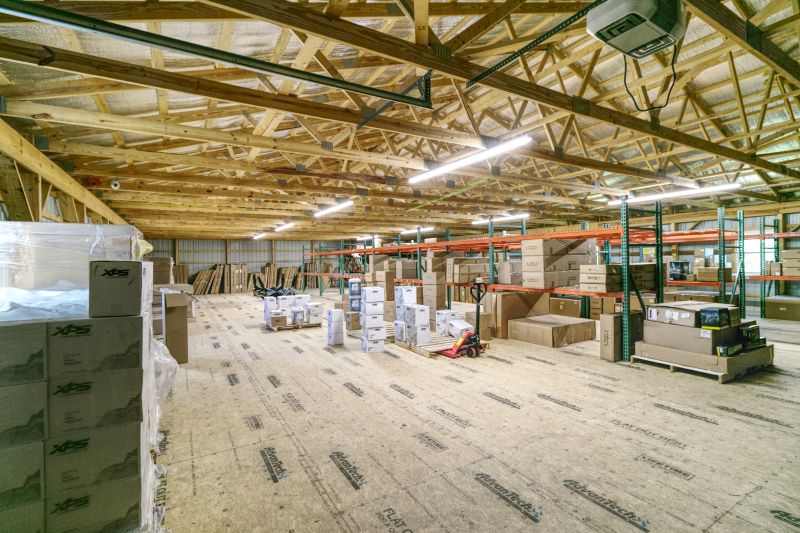
Pennsylvania adopted a statewide Uniform Construction Code, which governs commercial construction requirements. You can review the state framework here:.
How the UCC Affects Commercial Building Permit Approval in Pennsylvania
Commercial post-frame buildings in Pennsylvania must comply with UCC requirements. That generally includes:
- Professionally engineered, sealed drawings
- Structural load calculations (snow load, wind exposure, risk category)
- Foundation and anchoring design
- Energy compliance documentation (if conditioned space)
- Required inspections during construction
- Final Certificate of Occupancy
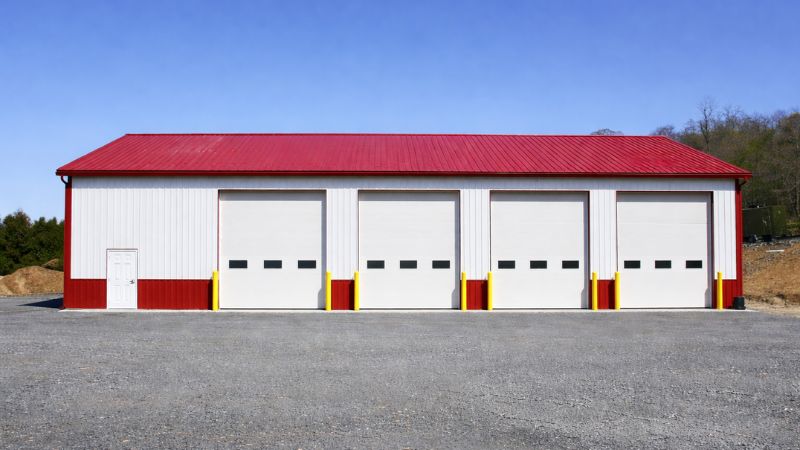
Even smaller contractor garages or equipment storage buildings used for business purposes fall under these standards.
The fact that a structure is “just storage” does not automatically reduce compliance requirements if it supports a commercial operation.
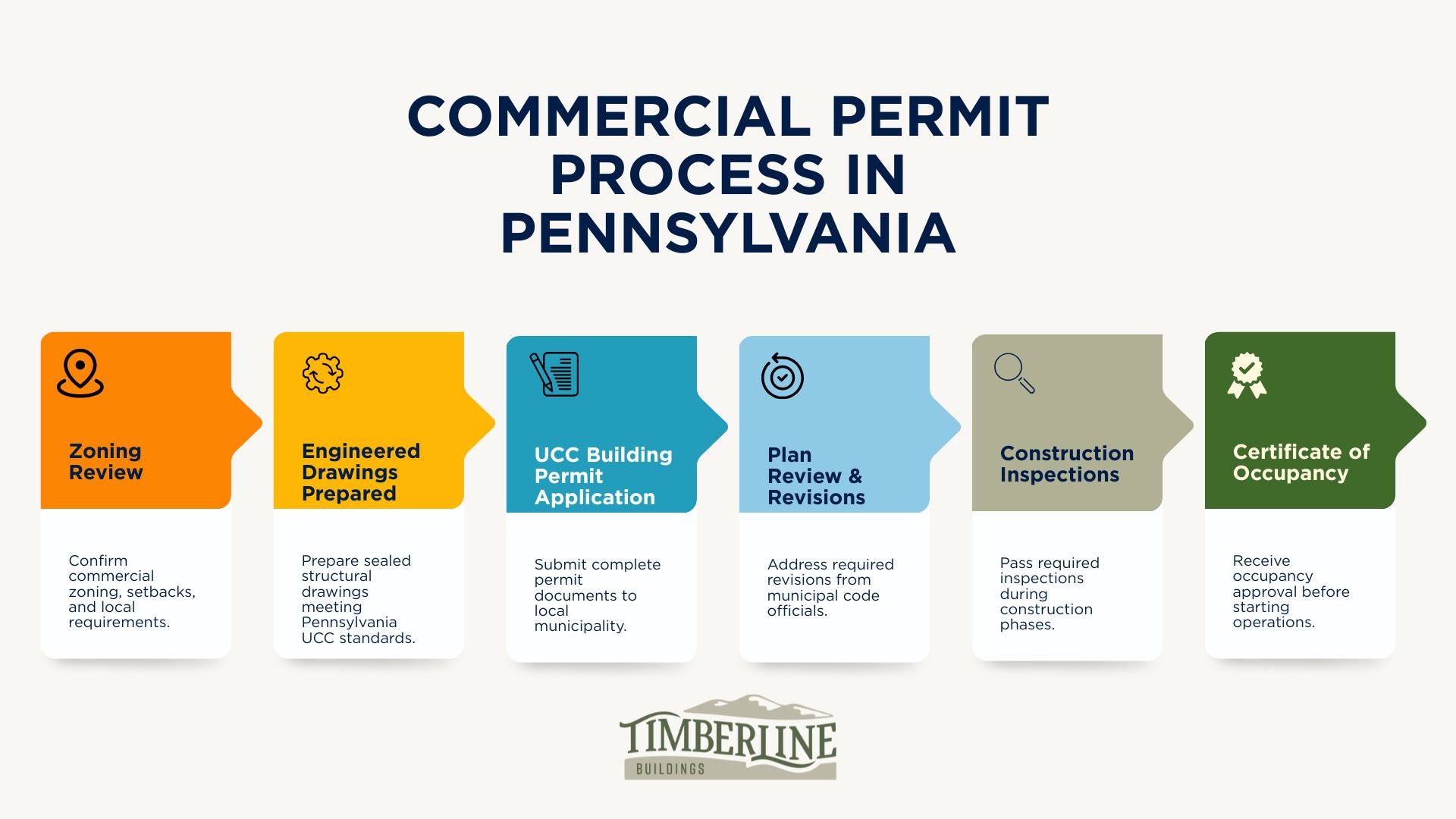
The UCC sets statewide standards for commercial construction.
Zoning Requirements for Commercial Building Permits in Pennsylvania
Before a building permit is issued, zoning approval must occur.
Zoning determines:
- Whether commercial use is permitted on your parcel
- Setback requirements
- Maximum building height
- Lot coverage limits
- Parking requirements
- Stormwater management triggers
For example:
A warehouse in an industrial zone may move smoothly through zoning review.
The same structure in a mixed-use or agricultural-residential district may require additional approvals or hearings.
Commercial pole barn zoning in Pennsylvania varies township to township. There is no single statewide zoning rule.
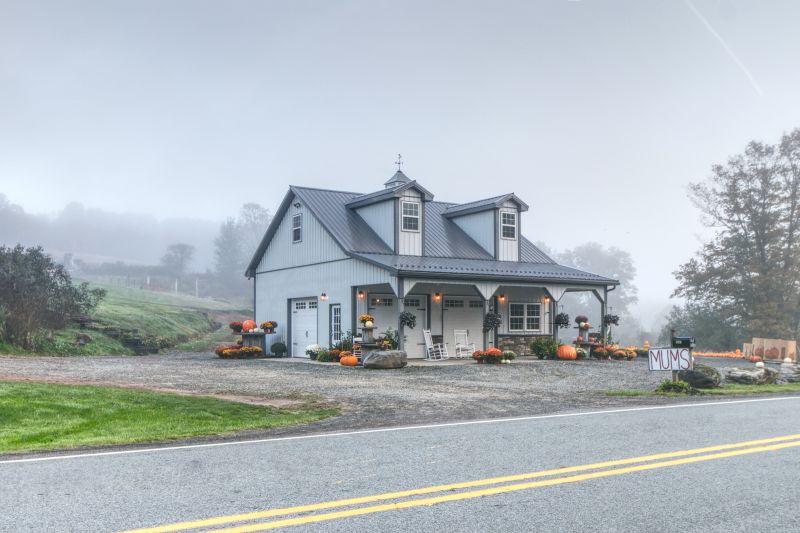
Zoning approval must be secured before building permits are issued.
Before finalizing your zoning review, it helps to understand how different commercial layouts are typically structured.
Township vs Borough vs County: Who Issues Permits?
In Pennsylvania:
- Counties generally do not issue building permits for standard commercial projects.
- Townships and boroughs administer zoning and building approvals.
- Some municipalities use third-party code administrators.
This matters because timelines, documentation standards, and review depth can vary significantly between municipalities.
Small business owners are often surprised by how localized the process is.
Common Commercial Use Cases & Typical Requirements
Contractor Garage or Equipment Storage
Usually requires:
- Zoning approval
- UCC building permit
- Engineered drawings
- Electrical permit (if power is installed)
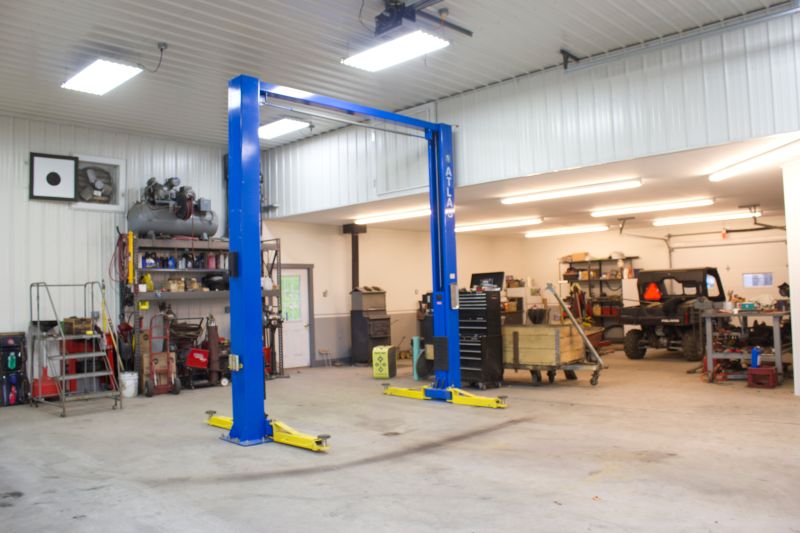
Business-use garages are typically classified as commercial structures.
Warehouse or Distribution Building
Typically requires:
- Zoning approval
- UCC permit
- Stormwater review (depending on land disturbance)
- Occupancy classification review
- Accessibility review (if employees are present)
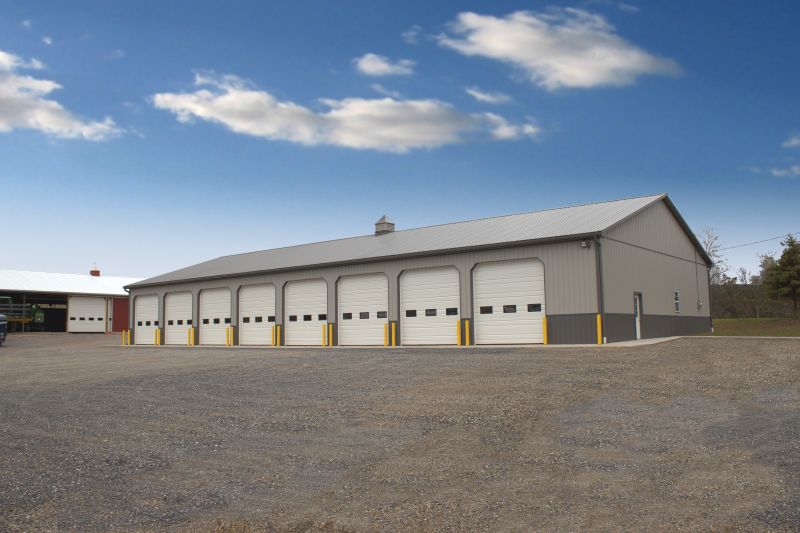
Warehouse buildings require occupancy review and structural compliance.
Retail or Public-Facing Commercial Building
Requires:
- Zoning approval
- UCC permit
- Accessibility compliance (ADA standards may apply)
- Fire separation and occupancy review
- Energy compliance documentation
The more public-facing the use, the more detailed the review process becomes.
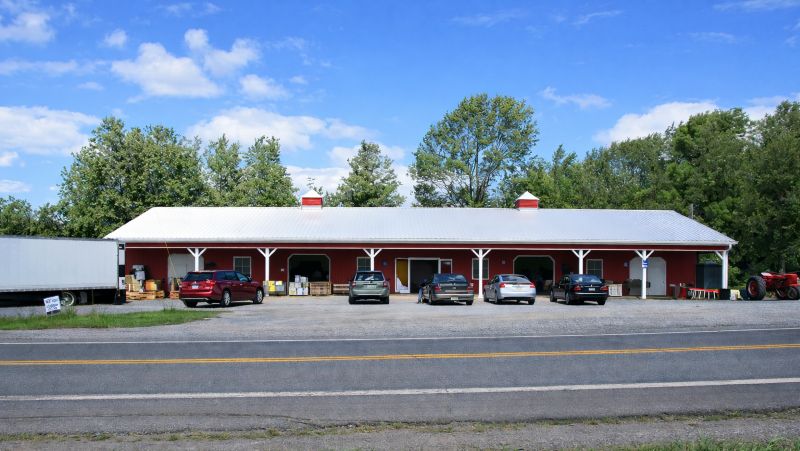
Public-facing buildings require additional accessibility and occupancy review.
If you’re ready to begin shaping your building around permit and zoning requirements, you can start customizing your layout now.
👉Design Your Commercial Building
What Documents Are Typically Required?
For a commercial pole building permit in Pennsylvania, you should expect to provide:
- Site plan showing property lines and setbacks
- Engineered, sealed building drawings
- Structural calculations
- Stormwater plan (if land disturbance exceeds local thresholds)
- Energy compliance documentation (if heated or insulated)
- Electrical and mechanical plans (if applicable)
Incomplete documentation is one of the most common causes of delay.
Preparing thorough, code-aligned documentation from the beginning reduces the likelihood of revisions and resubmissions.
The engineered drawings and technical documentation prepared for Timberline commercial projects are designed to align with Pennsylvania UCC requirements and typical municipal review standards.
Commercial Building Permit Checklist in Pennsylvania
Before submitting your application, confirm you have:
- Zoning approval confirmation
- Approved site plan with setbacks clearly marked
- Engineered and sealed structural drawings
- Load calculations for snow and wind compliance
- Stormwater plan (if required)
- Energy compliance documentation (if applicable)
- Accessibility compliance documentation (if required)
- Electrical and mechanical details (if applicable)
Addressing these items upfront significantly reduces approval delays.
Why Commercial Permits Get Delayed
Permit delays typically happen due to:
- Incorrect zoning classification
- Missing engineered seals
- Incomplete site plans
- Stormwater requirements discovered late
- Occupancy classification misunderstandings
For a small business, even a 30–60 day delay can affect:
- Business opening timelines
- Equipment storage plans
- Revenue start dates
- Lease commitments
Permits are not something to “get through quickly.” They are something to approach strategically.
If you already know your building size, use type, and site details, you can move directly into pricing and next-step planning.
👉Request a Commercial Quote
Final Takeaway for Pennsylvania Business Owners
If you are planning a commercial pole building in Pennsylvania, assume a permit will be required.
The key is not avoiding the process — it is understanding it early.
Zoning approval comes first.
UCC compliance follows.
Documentation quality matters.
With clear planning, engineered documentation aligned with code requirements, and a realistic understanding of local review procedures, commercial post-frame projects can move forward efficiently and predictably.
If you’re in the early planning phase, reviewing zoning and permit requirements before finalizing building size, layout, and use classification can save significant time and prevent costly redesigns later.
Frequently Asked Questions
Do all commercial pole buildings require engineered drawings in Pennsylvania?
Yes. Commercial post-frame structures must meet UCC requirements and typically require professionally engineered and sealed drawings.
Can a commercial pole building qualify for an agricultural exemption?
No. If the structure supports business operations, storage, employees, or customers, it is classified as commercial and does not qualify for agricultural exemption.
Who issues commercial building permits in Pennsylvania?
Building permits are issued by local townships or boroughs. Some municipalities contract with third-party code administrators.
Does a warehouse pole building require ADA compliance?
If the building includes employee areas or public access, accessibility compliance may apply depending on occupancy classification.
How long does commercial permit approval take in Pennsylvania?
Timelines vary by municipality but often range from several weeks to a few months, depending on documentation completeness and local review procedures.
Important:
Building codes and zoning requirements may vary by municipality. Always confirm specific requirements directly with your local township or borough office before beginning construction planning.
No signup • Takes 2 minutes
Personalized pricing • No obligation
Built in Pennsylvania • Amish Craftsmanship • Trusted Since 2003